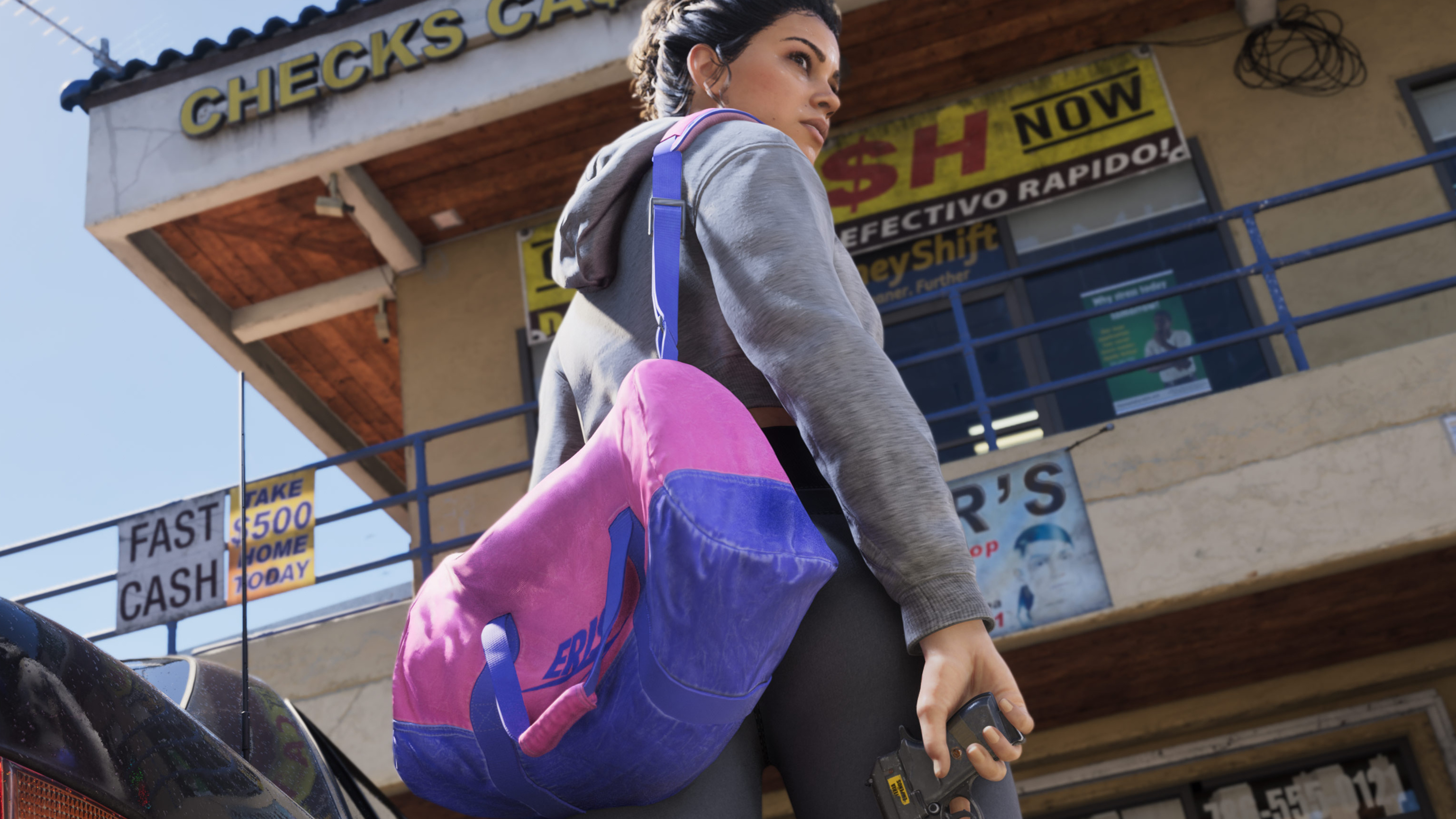
In the 48 hours following the surprise drop of Grand Theft Auto VI's official launch trailer, gaming forums and social feeds have been dominated by intense frame-by-frame post-mortems. While millions celebrated the high-octane heist sequences and Justice's driving score, a vocal subset of the community began comparing the new reel to December 2023's debut trailer, claiming that visual fidelity had suffered a noticeable "downgrade."
However, technical breakdowns from digital imaging specialists and engine analysts tell a far more nuanced story—one centered on deliberate post-processing filters, video bitrate bottlenecks, and the shift from static vista pans to chaotic gameplay simulation.
Cinematic Post-Processing vs. Raw Fidelity
Much of the perceived softness stems from Rockstar's stylistic camera emulation in Trailer 3. Unlike earlier teasers that favored pin-sharp panoramic wide shots of Vice Beach, the launch trailer adopts an aggressive 1970s neo-noir film aesthetic:
- Anamorphic Lens Distortion: Noticeable barrel distortion and edge softening simulate physical cinema lenses, naturally blurring peripheral details to draw the viewer's eye toward center-frame action.
- Heavy Chromatic Aberration: Intentional color fringing around neon signs and streetlights replicates vintage camera sensor bleed, creating a humid, retro South Florida atmosphere.
- Dynamic Per-Object Motion Blur: During high-speed airboat maneuvers and motorcycle pursuits, camera shutter angles emphasize kinetic speed over static edge clarity.
"What some viewers interpret as texture blurriness is actually an elaborate suite of filmic post-processing effects combined with aggressive streaming video compression."
The Streaming Compression Factor
Another major culprit in the debate is the compression algorithm applied by streaming platforms like YouTube and X. Fast-moving scenes filled with thousands of particle effects—such as ocean spray, tropical rain sheets, and dense foliage—severely stress video encoder bitrates, resulting in temporary macroblocking that masks underlying texture detail.
In contrast, direct uncompressed screenshots released on the Rockstar press portal demonstrate that micro-details—from porous skin rendering and fabric weave to real-time global illumination and vehicle dent physics—remain untouched.
With pre-load day set for November 12 and global launch arriving November 19, players will soon see how Rockstar's engine performs on native living room displays, unhindered by internet video encoding.